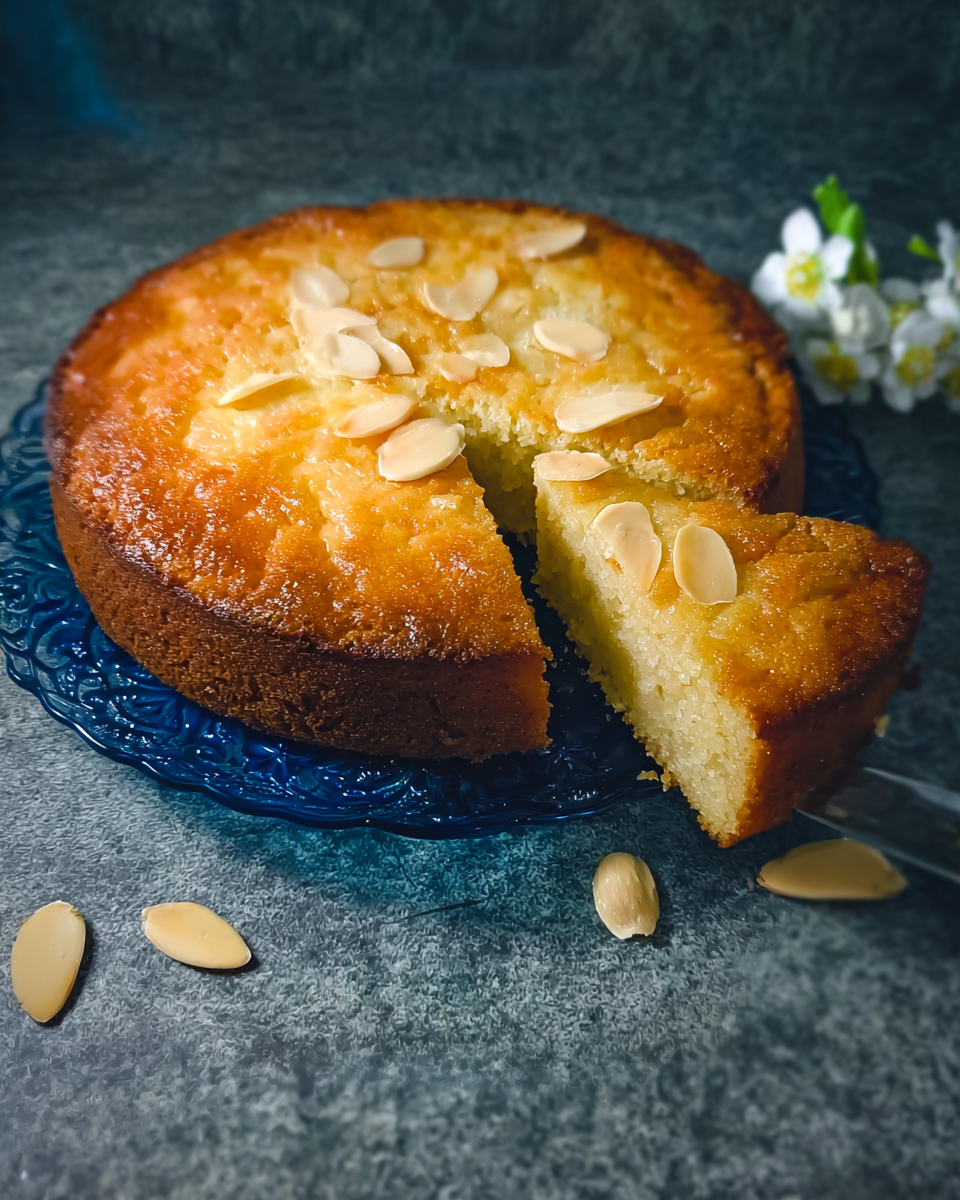
Boterkoek is the epitome of simplicity and indulgence. With its smooth, buttery texture and light, golden crust, this Dutch treat is sure to become a favorite. The cake has a rich flavor that pairs perfectly with a cup of tea or coffee. Its dense yet tender crumb makes it a satisfying choice for any occasion.
Whether you’re enjoying a quiet afternoon at home or sharing it with friends, Boterkoek is a versatile cake that works well for both casual gatherings and special events. Its minimal ingredients highlight the quality of butter, sugar, and vanilla, making it the perfect sweet indulgence. If you’re a fan of traditional European baking, this butter cake will easily become one of your go-to recipes.
Full recipe
Ingredients:
-
1 1/2 cups all-purpose flour
-
1 cup unsalted butter, softened
-
3/4 cup sugar
-
1/4 teaspoon vanilla extract
-
1 egg
-
1/2 teaspoon almond extract (optional)
-
Pinch of salt
-
1/2 teaspoon baking powder
Directions:
-
Preheat your oven to 350°F (175°C).
-
Grease and line a round 9-inch cake pan with parchment paper.
-
In a mixing bowl, cream together the softened butter and sugar until light and fluffy.
-
Add in the egg, vanilla extract, almond extract (if using), and a pinch of salt, and continue mixing until well combined.
-
In a separate bowl, sift the flour and baking powder. Gradually fold the dry ingredients into the butter mixture until fully incorporated.
-
Pour the batter into the prepared cake pan and smooth the top with a spatula.
-
Bake in the preheated oven for 25-30 minutes or until the top is golden and a toothpick inserted into the center comes out clean.
-
Let the butter cake cool in the pan for 10 minutes before transferring it to a wire rack to cool completely.
-
Once cooled, slice into wedges and serve.
Prep Time: 10 minutes | Cooking Time: 30 minutes | Total Time: 40 minutes
Kcal: 310 kcal | Servings: 8 servings
The Origins of Boterkoek
The name Boterkoek literally translates to “butter cake” in Dutch, which perfectly describes its flavor profile. This cake has deep roots in the culinary traditions of the Netherlands, where butter is a key ingredient in many baked goods. Historically, Dutch farmers would use simple, local ingredients like butter, sugar, and flour to create desserts that were both satisfying and long-lasting. The cake’s popularity can be traced back to the early 20th century, although it is likely that variations of it were enjoyed even earlier.
The origins of Boterkoek lie in the notion of comfort food—something simple, nourishing, and undeniably delicious. It was traditionally baked in a round cake pan, but over time, bakers have adapted it into various shapes, from squares to bars, to make it more convenient for serving at gatherings.
The Perfect Combination: Ingredients and Texture
What makes Boterkoek stand out from other butter-based cakes is its unique texture. Unlike most cakes, which are fluffy and light, Boterkoek is dense and slightly chewy. This dense, almost fudgy texture comes from the high amount of butter used, which also contributes to its rich flavor.
When you first slice into a Boterkoek, you’ll notice its smooth, golden crust, which contrasts with the soft, buttery center. The cake isn’t overly sweet, making it a perfect pairing with a hot beverage, such as tea or coffee, and it has a satisfying, melt-in-your-mouth quality.
How to Make the Perfect Boterkoek
While the recipe for Boterkoek is simple, there are a few tips that can elevate your baking process. The key to making a perfect Boterkoek lies in using high-quality ingredients and not overworking the dough.
Choosing the Right Butter: Since butter is the star of this cake, it’s crucial to select good quality, unsalted butter. Using high-quality butter ensures a smoother texture and a richer flavor.
Mixing the Ingredients: The dough for Boterkoek should be mixed until just combined. Overmixing will result in a tough texture, which goes against the signature softness of the cake. The use of an electric mixer on low speed is recommended to avoid overworking the dough.
Baking Time and Temperature: The cake should be baked at 350°F (175°C), and it’s important not to open the oven door too early to prevent the cake from sinking in the middle. It’s done when the top is golden brown and a toothpick inserted into the center comes out clean.
Variations of Boterkoek
Though the traditional Boterkoek recipe calls for just butter, sugar, and flour, bakers have created many variations over the years, experimenting with different flavors and fillings.
Nutty Boterkoek: Add finely chopped almonds or hazelnuts into the batter for a crunchy twist. The nuts complement the richness of the butter, adding texture and a deeper flavor.
Fruit-filled Boterkoek: Some variations include a thin layer of fruit preserves, like apricot or raspberry, spread on top of the cake before baking. This adds a touch of sweetness and tang, which contrasts beautifully with the buttery flavor of the cake.
Spiced Boterkoek: For a warm, spiced version of Boterkoek, consider adding a pinch of cinnamon or nutmeg to the dough. These spices will infuse the cake with a cozy, aromatic flavor, perfect for the colder months.
Pairing Boterkoek with Drinks
Boterkoek is traditionally enjoyed with a hot drink, and its simple flavor makes it a versatile pairing option. Here are a few suggestions for the perfect drinks to enjoy with this cake:
Coffee: The rich, slightly bitter taste of coffee balances the sweetness and butteriness of the cake. Espresso, in particular, works wonderfully with the dense texture of Boterkoek.
Tea: Light, fragrant teas like Earl Grey or Chamomile offer a delicate counterpoint to the cake’s richness. For a more decadent pairing, try a creamy chai latte or a sweet dessert tea.
Wine: If you prefer wine, opt for a dessert wine like Sauternes or a slightly sweet Riesling. These wines’ honeyed notes pair beautifully with the buttery cake.
Health Considerations
Though Boterkoek is a delicious treat, it’s important to enjoy it in moderation due to its high butter and sugar content. A single slice can provide a hefty dose of calories, so if you’re watching your intake, consider enjoying it as an occasional indulgence rather than an everyday snack.
Additionally, for those with dietary restrictions, there are ways to make Boterkoek more inclusive. You can experiment with alternative flours, such as almond flour or gluten-free flour, to make the cake suitable for those with gluten sensitivities. Vegan butter can be used to make a dairy-free version, though this may alter the texture slightly.
Serving and Storing Boterkoek
Boterkoek is best served at room temperature, making it perfect for preparing in advance for a party or gathering. It can be stored in an airtight container for up to a week, though it’s likely to disappear much sooner due to its irresistible taste.
If you plan to serve Boterkoek at a party, you can cut it into small squares or wedges for easy serving. It pairs wonderfully with other Dutch treats, such as stroopwafels (caramel-filled waffle cookies) or speculaas (spiced cookies).
Conclusion:
Boterkoek is a delightful, simple cake that brings together the richness of butter with the warmth of traditional Dutch baking. Its dense texture, golden crust, and rich flavor make it an unforgettable dessert. Whether you’re enjoying it with a cup of coffee or serving it at a gathering, this Dutch butter cake will never fail to impress.
This cake is not just a treat for the taste buds—it also offers a taste of history, connecting you with the traditions of Dutch home baking. Easy to make, versatile in its variations, and simply delicious, Boterkoek is a must-try for anyone looking to experience the sweet simplicity of Dutch cuisine.