A Bit of Sweet History — What Makes Pineapple Upside‑Down Cake Special
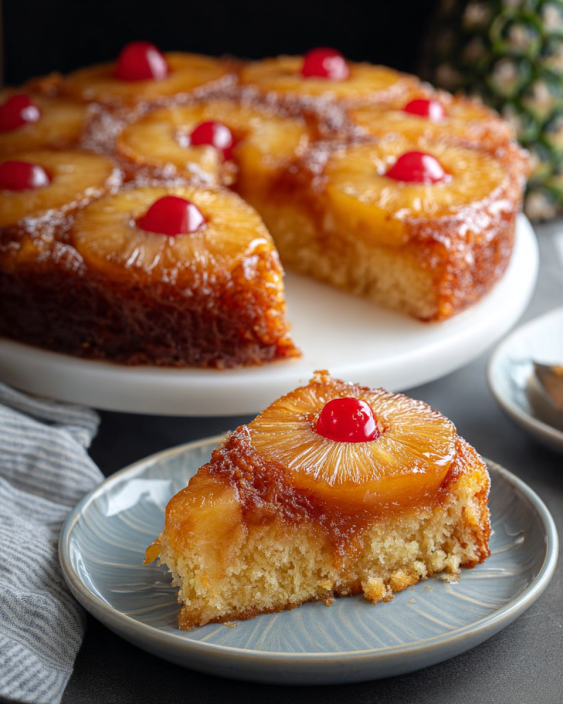
The upside‑down cake style — where fruit is placed at the bottom of a pan before batter is added, then inverted after baking — is a time‑honored technique that turns simple cakes into dramatic, dessert‑table showpieces. The fruit and sugar caramelize at the bottom during baking, then — once flipped — become a glossy, syrupy topping that seeps into the cake, infusing each slice with sweet, tangy, buttery flavor.
The Pineapple Upside‑Down Cake became especially popular in the early 20th century, largely thanks to the widespread availability of canned pineapple rings, which offered convenience and consistency. Uniformly sliced pineapple rings allowed for neat, interchangeable layers — ideal for home bakers and cake‑makers.
The “VII” version of this cake — as listed in archives of one of the classic recipe repositories — offers a straightforward, accessible way to achieve that nostalgic, caramel‑pineapple finish using a simple boxed cake mix (or sometimes scratch batter) plus a buttery brown‑sugar base, pineapple rings, and maraschino cherries for traditional flair.
This cake is beloved because it’s both visually impressive and reliably delicious: moist cake, tender pineapple, sticky caramel glaze, and cherry pops — all in a single pan. Perfect for celebrations, potlucks, comfort‑food cravings, or whenever you want a dessert with a bit of flair and a lot of warmth.
🧾 Ingredients — What You’ll Need (One 12‑inch Cake)
Based on the standard Pineapple Upside‑Down Cake VII as referenced on recipe aggregators.
🍰 For the Topping & Fruit Layer
-
1 (20‑ounce) can pineapple rings, drained
-
½ cup unsalted butter
-
1.5 cups packed light brown sugar
-
About 7–10 maraschino cherries (one per pineapple ring; optional but traditional)
-
¼ cup water (or as needed) — this helps loosen the caramel during baking, if the recipe calls for it.
🍰 Cake Batter
-
1 (16.25‑ounce) package white (vanilla) cake mix — many versions of the recipe use this for convenience and consistency.
-
½ cup vegetable oil (or neutral baking oil) — this helps keep the cake moist.
-
3 large egg whites — used instead of whole eggs in this version.
-
(Optional per adaptation) — If substituting the cake mix with a homemade batter: all-purpose flour, baking powder, eggs, sugar, milk/butter, vanilla — see “Variations” section below.
⚠️ Note: The “VII” version uses a boxed cake mix, which makes the cake especially easy and forgiving — great if you want reliable results without fuss.
🍳 Step‑by‑Step Instructions — Making the Cake
1. Preheat & Prep
-
Preheat your oven to about 350 °F (175 °C) (standard for many boxed‑cake recipes).
-
Grease a 12‑inch round cake pan (or cast‑iron skillet if you prefer a more traditional feel) — make sure the bottom is well‑buttered or sprayed to help with easy release.
2. Make the Caramel Fruit Base
-
In a small saucepan (or directly in the oven‑safe cake pan if using a cast iron skillet), melt the ½ cup butter over medium heat. Once melted, stir in the 1.5 cups brown sugar until the mixture becomes smooth and begins to bubble — creating a caramel base. This is the glue that holds the fruit topping and creates that luscious syrup.
-
Pour or carefully spread this caramel evenly over the bottom of the prepared cake pan.
3. Arrange Pineapple & Cherries
-
Lay the drained pineapple rings on top of the caramel, covering as much of the bottom as possible in a single layer.
-
Place one maraschino cherry in the center of each pineapple ring (and optionally in the gaps between the rings if you have extra cherries), for classic color contrast and that vintage look.
4. Prepare the Cake Batter
-
In a mixing bowl, combine the cake mix, ½ cup vegetable oil, and 3 large egg whites. Mix until smooth and well‑combined (typically per package instructions). Since cake mix recipes vary slightly by brand, follow the box instructions, but ensure the batter is smooth.
5. Assemble & Bake
-
Gently pour the batter over the pineapple-and-caramel bottom layer, smoothing gently to distribute evenly without disturbing the fruit arrangement.
-
Optionally, if your batter seems thick or dry, you may add a splash of water (or the reserved pineapple juice) around the edges to help steam and soften the cake during baking (some versions call for ¼ cup water).
-
Bake in preheated oven per cake mix instructions — typically about 45–55 minutes, or until a toothpick inserted in the center comes out clean and the cake is set and golden. For cast‑iron skillet versions, bake times may vary slightly.
6. Cooling & Inverting — The Reveal!
-
Once baking is done, let the cake cool in the pan for about 10 minutes. This short rest helps the caramel settle just enough to release, but keeps it warm enough to flow over the cake once inverted. Many bakers caution not to let it cool too long — the topping may stick if the caramel hardens too much.
-
Run a thin knife around the edges of the pan to loosen the cake gently. Place a large, heatproof plate over the pan, then carefully invert the cake (pan over plate). Lift the pan slowly — the caramel‑pineapple topping should fall onto the plate, glossy and dripping, forming the beautiful “upside-down” look.
🍽 Eating, Serving & Why It’s a Crowd‑Pleaser
Once flipped, the cake becomes a showpiece: glossy pineapple rings, vibrant cherries, golden drizzle of buttery caramel, and the tender, moist cake beneath. It’s a dessert that looks as good as it tastes — perfect for:
-
Family gatherings / celebrations — birthdays, potlucks, special dinners; the visual appeal alone makes it a hit.
-
Comfort‑food desserts — the sweet, buttery caramel, juicy pineapple, and tender cake evoke nostalgia, warmth, and indulgence.
-
Warm or room‑temperature serving — this cake is delicious warm (when caramel is still syrupy) or cooled — either works.
-
Make‑ahead dessert — because the caramel and fruit layer sets nicely, you can bake ahead, invert, and serve later; leftovers often taste even better after flavors meld.
Many love the contrast: the tangy-sweet pineapple, the sticky caramel, and the soft vanilla cake — each bite is a mix of textures and flavors: juicy, buttery, fruity, cakey. This balance of sweetness, fruitiness, and buttery richness is what gives upside‑down cakes their enduring charm.
Also — the cake is surprisingly forgiving. Because it uses a boxed cake mix and simple assembly, it’s accessible even for beginner bakers. The caramel layer helps keep moisture in the cake, so it’s hard to overbake into dryness.
🔄 Variations, Tweaks & Customizations — Make It Your Own
One of the best things about Pineapple Upside‑Down Cake is its flexibility. Here are ways to adapt or customize to your taste, ingredients on hand, or context:
🍍 Fruit Substitutions or Add‑Ons
-
Fresh pineapple: If you have access to ripe fresh pineapple, you can slice rings (or wedges) yourself — give more vibrant flavor than canned. Many modern recipes use fresh pineapple for juciness and flavor.
-
Other fruit upgrades: Peaches, mangoes, or even pears can replace pineapple to make a “tropical upside‑down cake” variation — though flavor and juice levels will vary (may need extra sugar or syrup).
-
Skip cherries: If maraschino cherries aren’t available or preferred, you can omit them — pineapple rings alone still produce a beautiful cake.
-
Nut topping: Add a handful of pecans or walnuts on top of the caramel before arranging fruit for a nutty crunch — some bakers do this for added texture.
🍰 From Cake Mix to Scratch Batter
While the “VII” recipe uses a boxed cake mix — you can easily bake a from‑scratch version. Use a standard vanilla cake or yellow cake batter: flour, baking powder, eggs, sugar, butter or oil, vanilla, milk — then pour over the fruit base. This gives fuller flavor and allows customization (vanilla, coconut, rum‑infused, etc.). Classic scratch recipes often use a simple butter‑sugar-flour‑egg batter.
🥄 Caramel & Flavor Enhancements
-
Spice it up: Add a pinch of ground cinnamon, nutmeg, or ginger to the caramel or batter for warmth and complexity. A few classic recipes incorporate mild spices to complement the pineapple’s sweetness.
-
Rum or vanilla: Mix a teaspoon of vanilla extract into the batter (or a splash of rum into the caramel) for added aroma and depth — a nice adult twist.
-
Extra syrup / glaze: After inversion, drizzle extra pineapple juice or a thin glaze (powdered sugar + juice) over the top to intensify sweetness and shine.
🍽 Serving Style Variations
-
Warm slices with ice cream: Pair warm cake slices with vanilla or coconut ice cream — the hot‑cold contrast and melting ice cream add indulgence.
-
With whipped cream or cream cheese frosting: A dollop of lightly sweetened whipped cream or cream‑cheese frosting at serving time balances the caramel’s sweetness.
-
Mini cakes or cupcakes: Use a muffin tin or small cake pans — place small pineapple pieces + cherry halves at bottom, pour batter, bake. Great for individual servings, parties, or lunchboxes.
📝 Full Recipe Card — Pineapple Upside‑Down Cake VII (Easy, One‑Pan Version)
Yield: 1 12-inch cake (serves 8–12, depending on slice size)
Prep Time: ~15–20 minutes
Bake Time: ~45–55 minutes
Total Time: ~1 hour
Ingredients
Topping / Fruit Layer
-
½ cup unsalted butter
-
1.5 cups packed light brown sugar
-
1 (20‑ounce) can pineapple rings, drained
-
~7–10 maraschino cherries (optional, one per ring)
-
¼ cup water (or reserved pineapple juice), optional
Cake Batter
-
1 (16.25‑ounce) package white cake mix
-
½ cup vegetable oil
-
3 large egg whites
Instructions
-
Preheat oven to 350 °F (175 °C). Grease a 12‑inch round cake pan or cast‑iron skillet.
-
Melt butter in a small saucepan (or directly in the cake pan) over medium heat. Stir in brown sugar until smooth and bubbling — forming caramel. Spread evenly on bottom of pan.
-
Arrange pineapple rings atop the caramel, covering the bottom. Place one maraschino cherry in the center of each pineapple ring (and optionally in gaps).
-
In a mixing bowl, combine cake mix, vegetable oil, and egg whites; mix per package instructions until smooth.
-
(Optional) Add ¼ cup water or reserved pineapple juice around the edges to help with moisture.
-
Pour batter gently over pineapple layer, smoothing to cover evenly.
-
Bake in preheated oven for 45–55 minutes, or until a toothpick inserted into center comes out clean and cake is set.
-
Let cake cool in pan for ~10 minutes. Run a knife around edges to loosen. Place a serving plate over the pan, invert carefully, then lift pan to reveal the caramel‑pineapple top.
-
Serve warm or at room temperature. Optionally pair with ice cream, whipped cream, or a dusting of powdered sugar.
🎯 Why This Cake Is a Great Go‑to — The Magic of Simplicity + Showmanship
-
Minimal effort, big result — Using cake mix plus simple caramel/pineapple topping makes this dessert surprisingly easy, yet the result looks far more elaborate than the effort suggests.
-
Visual wow factor — When inverted, the cake reveals a glossy pineapple‑and‑cherry top that looks like a polished store‑bought cake — perfect for entertaining or special occasions.
-
Balanced sweetness & texture — The caramelized brown sugar adds rich, deep sweetness; pineapple brings bright, tropical acidity; the cake stays moist and tender; cherries add bursts of flavor — creating a multi‑dimensional dessert.
-
Customizable & forgiving — Substitutions and tweaks are easy: fresh pineapple, scratch batter, extra spices, different toppings — the cake adapts while retaining its character.
-
Comfort and nostalgia — For many, this cake evokes memories of family dinners, holiday tables, or classic homebaked desserts — a warm, familiar treat that transcends generations.
🎉 When to Bake This — Best Occasions & Serving Scenarios
This cake is great for many occasions — here are some ideal times to bake it:
-
Family gatherings & celebrations — birthdays, reunions, potlucks, holidays — the cake’s dramatic reveal and crowd‑friendly size make it ideal for sharing.
-
Weekend treats or cozy desserts — After busy workdays or as weekend indulgence — warm, sweet, comforting.
-
Dinner parties — With minimal prep but impressive presentation, it works well as a dessert showpiece.
-
Bake‑ahead dessert — You can bake, invert, and serve later; its flavors often mellow and deepen over time, making leftovers delicious.
-
Festive, retro‑style desserts — For those who enjoy vintage or nostalgic recipes, upside‑down cakes carry a sense of old‑school charm.
🔧 Tips & Common Pitfalls — How to Get It Right Every Time
-
Don’t overcook the caramel — Stir butter and brown sugar gently; once it’s bubbling and smooth, remove from heat. If caramel burns, topping will taste bitter.
-
Ensure pineapple is well‑drained — Excess liquid can dilute caramel and lead to a soggy cake. Drain thoroughly before arranging.
-
Grease pan well (especially if cast‑iron) — Caramel is sticky; good greasing helps ensure smooth release when inverting.
-
Don’t let cake cool too long before flipping — Wait ~10 minutes, when cake is set but topping still warm. If you wait too long, caramel may harden and cling to pan, making inversion messy.
-
Test doneness properly — Use a toothpick in the center to ensure the cake is fully baked. Underbaking → raw batter; overbaking → dry cake.
-
Serve soon for best texture — While cake holds up decently, the best contrast (crust — caramel — fruit — moist cake) is most vivid when fresh or slightly warm.
🌴 Variations & Creative Twists — Make It Your Style
Here are some ways to put your own spin on Pineapple Upside‑Down Cake:
-
Fresh pineapple version — Use fresh pineapple slices instead of canned for brighter, fresher flavor. For even better taste, consider lightly caramelizing the pineapple rings before arranging.
-
Tropical upgrade — Add toasted coconut flakes, chopped nuts (pecan or walnut), or even a splash of rum in the caramel for a tropical‑inspired cake.
-
Spiced cake batter — Add a teaspoon of vanilla extract, a pinch of cinnamon or nutmeg to the batter for warmth and depth.
-
From‑scratch batter — Skip the boxed cake mix; use a simple vanilla or butter‑cake recipe you like, then pour over the fruit layer. This gives fuller flavor and allows customization (whole‑wheat, gluten‑free, etc.).
-
Mini or individual cakes — Use muffin tins or small pans to make individual upside‑down cakes. Great for parties, lunchboxes, or portion‑controlled desserts.
-
Topping tweaks — Instead of cherries, top each pineapple ring with a slice of strawberry, a dab of whipped cream after flipping, or sprinkle with toasted nuts for crunch contrast.
-
Serving styles — Serve warm with vanilla ice cream, coconut cream, whipped cream, or a drizzle of extra pineapple juice or caramel sauce.
❤️ Final Thoughts — Why Pineapple Upside‑Down Cake VII Is a Keeper
The Pineapple Upside‑Down Cake VII represents what many great recipes do best: combining simplicity, nostalgia, flavor, and visual delight — all with minimal fuss. It’s a dessert that doesn’t demand complicated techniques or hard‑to‑find ingredients, yet delivers something memorable: a moist, buttery cake topped with caramelized pineapple and cherries — sweet, tangy, and deeply satisfying.
Whether you’re a seasoned baker or a novice, this cake offers a reliable way to impress. It’s perfect for family dinners, parties, weekend treats — or just moments when you crave something comforting with a little bit of flair.